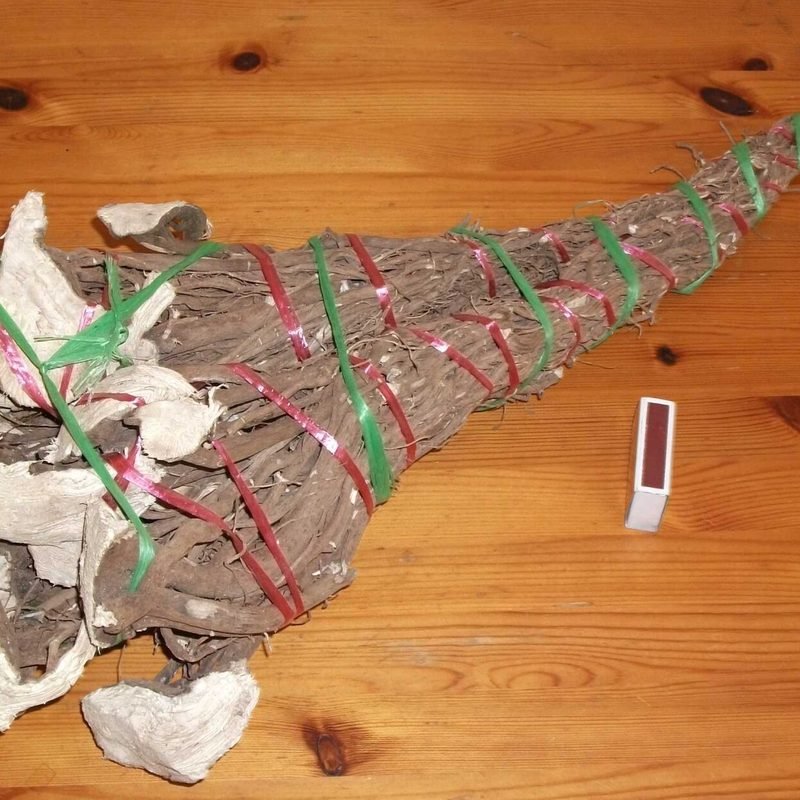
Kava’s effects come from kavalactones, concentrated in the root and shared for centuries in a bowl of water-prepared drink. Scientists have identified eighteen kavalactones, but six account for around 96% of the activity: kavain, dihydrokavain, methysticin, dihydromethysticin, yangonin and desmethoxyyangonin.
The feeling
One of the first signs is a brief numbing or tingling of the lips and tongue, caused by kavain, which acts as a mild local anaesthetic. This numbing is harmless and passes on its own. Then comes the body: muscles loosen, the mood eases, and many people become a little more talkative and sociable while staying clear-headed. The experience usually lasts one to three hours and tapers gently, with typically no hangover the next day.
How it works
Kava is broadly GABAergic — it modulates the brain’s principal “calming” receptor system, which promotes muscle relaxation and a lowered sense of tension. This is the core of why kava feels the way it does: it calms the body while leaving the mind reasonably clear, which is why it supports a sociable, easy atmosphere rather than intoxication.
What to watch for
Kava can make you sleepy, so don’t drive or operate machinery after drinking it. It is best not combined with alcohol or sedative medicines. Preparing from the root only — as tradition does — naturally avoids pipermethystine, a compound found in the leaves and stems that is best left out of the bowl. This article is educational and is not medical advice.
Last modified: July 14, 2026