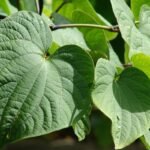
Kava was domesticated from a wild pepper, Piper wichmannii, in northern Vanuatu an estimated three thousand years ago. Through generations of selection, growers favoured plants that were smoother, more pleasant and more potent — gradually transforming a wild shrub into the refined drink known today.
Carried across the Pacific
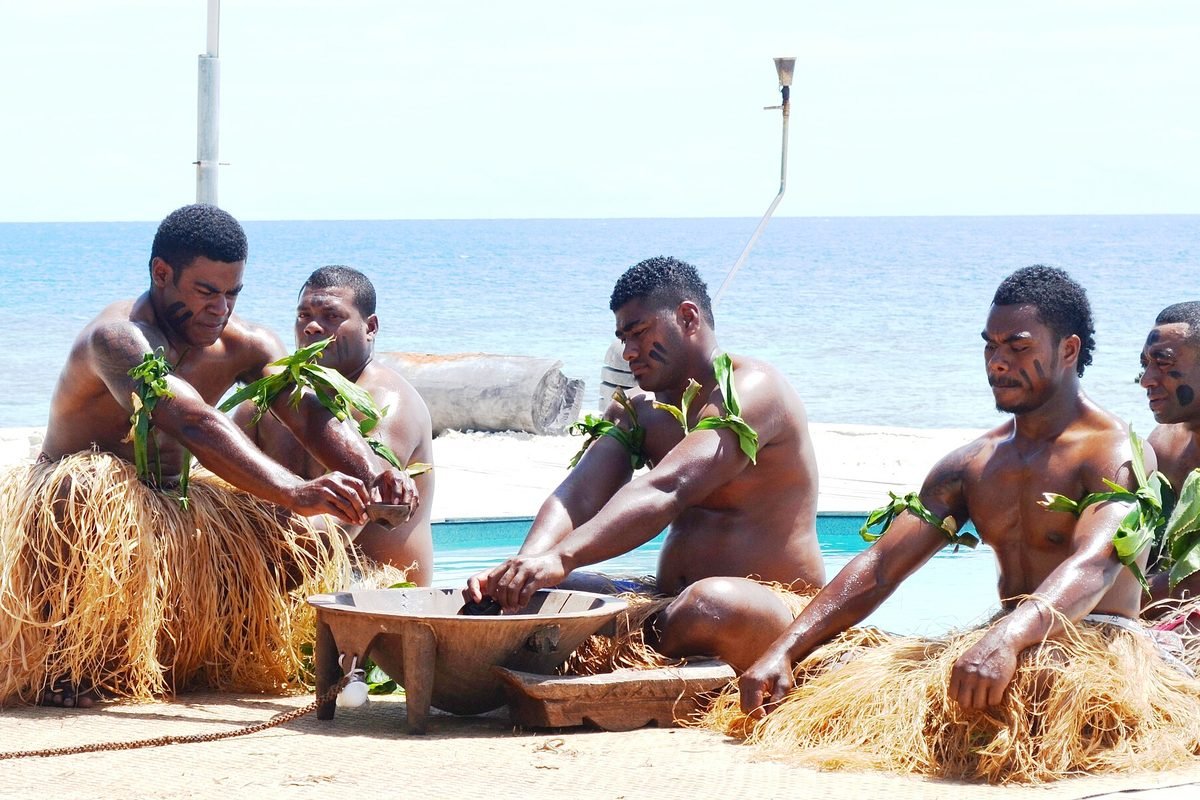
As Austronesian and Lapita voyagers settled the Pacific, they carried kava cuttings in their canoes alongside taro, yam and breadfruit. Kava spread west to east through Melanesia, into parts of Micronesia, and out to western Polynesia — Fiji, Tonga, Samoa and beyond — forming the region now called the kava belt.
Because the plant is sterile and grown only from cuttings, every kava plant alive today is a clone descended from those first selections — a living artefact of ancient Pacific agriculture, and one reason kava is so bound up with cultural continuity.
European encounters
Dutch navigators recorded kava use in the early seventeenth century, and naturalists on Cook’s second voyage documented kava ceremonies in Tonga and the Society Islands in the 1770s. It was the botanist Johann Georg Forster who gave the plant its scientific name, Piper methysticum — literally “intoxicating pepper.”
Suppression and revival
Missionaries and colonial administrators discouraged or banned kava on several islands. Yet through the decolonising decades of the twentieth century it became a symbol of cultural identity, revived and formalised, and woven back into politics and public life. Today, kava bars have spread worldwide and the noble-kava export trade has grown into a significant rural economy for Vanuatu, Fiji and Tonga.
Austronesian Tradition Vanuatu
Last modified: July 14, 2026